Miles Ahead
Walking into Jazz at Lincoln Center with Lady Jay last week, I couldn’t stop smiling.
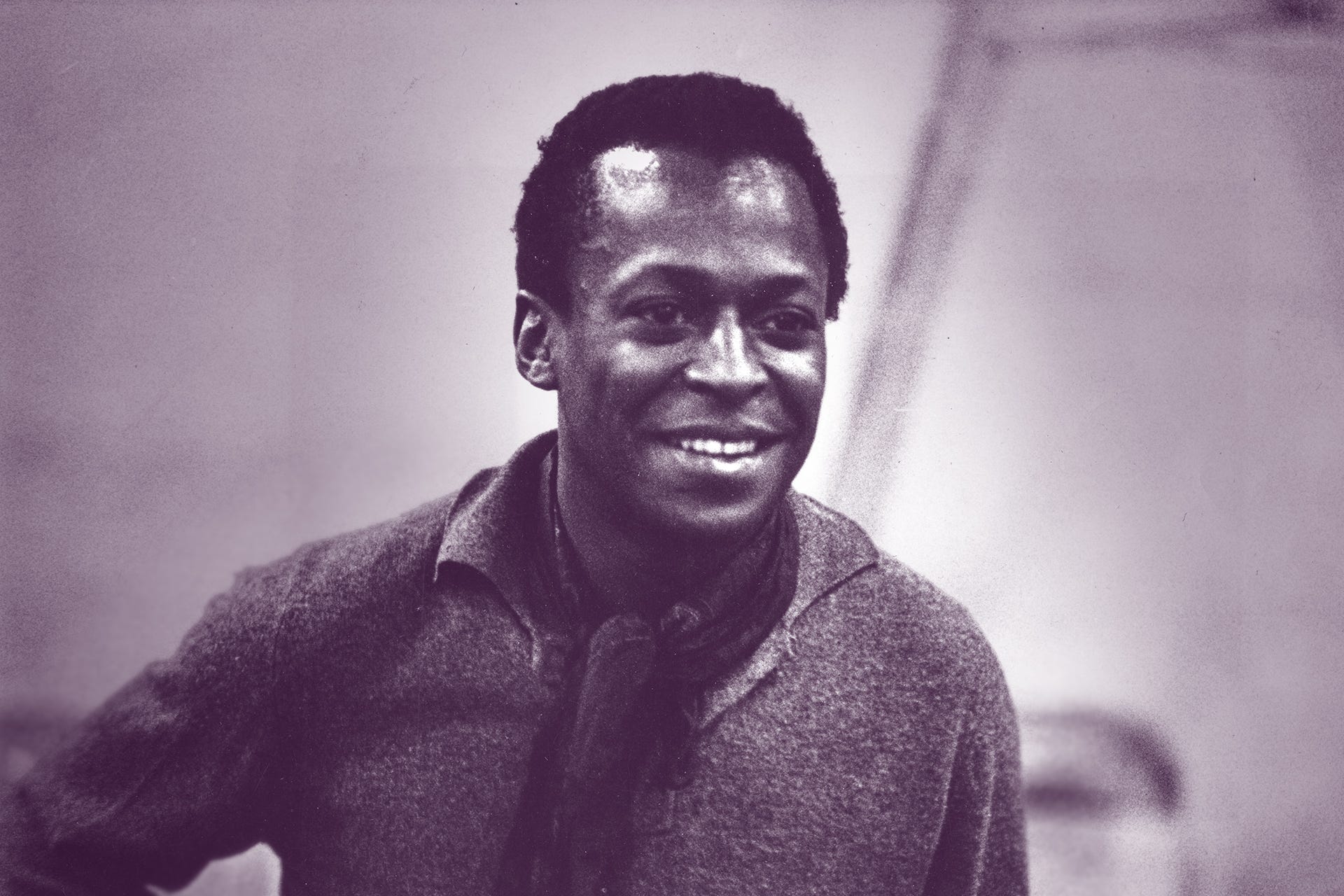
We were there for a show called “Sketches of Miles: Miles Davis at 100,” a birthday tribute to the legendary trumpeter. The program celebrated Miles’s collaboration with the arranger Gil Evans — lush, orchestral pieces that blended classical instrumentation with cool jazz.
I never got to see Miles perform in person — he died in 1991, when I was 12. So this concert by the Jazz at Lincoln Center Orchestra felt like the next-best thing. And it was 35 years in the making for me.
When I was 11, I went away to summer camp for the first time. It was a music camp in Maine where kids took instrument lessons, played in ensembles, and did a lot of normal camp stuff too.
I had been studying clarinet for a few years by then, playing the usual beginner pieces. But I was mostly into pop music, listening to cassette tapes of Billy Joel, Paula Abdul, Richard Marx, and Janet Jackson on my Sony Walkman.
That was the kid my parents dropped off at the camp bus, anyway. But when I returned to Connecticut seven weeks later, I was transformed — I might as well have come home in a black beret, dark sunglasses, and an unfiltered cigarette dangling from my lips.
I had discovered jazz, man.
My clarinet teacher at camp that summer was a musician named Bruce Diehl. He had only just graduated from college — though to me, he seemed wiser and cooler than just about anyone I’d ever met. He played everything: clarinet, saxophones from soprano to baritone, flute, piccolo, piano. I’d never seen anything like it.
Twice a week, Bruce instructed me on the clarinet. But it didn’t take long before he started pulling me into jazz, and I couldn’t get enough. He gave me “listening” assignments — sending me back to my cabin with mix tapes of Charlie Parker, John Coltrane, Sonny Rollins, Duke Ellington, Count Basie, Dizzy Gillespie, Wayne Shorter, Herbie Hancock, and my new favorite: Miles Davis.
The music intrigued me, and so did the chance to get closer to Bruce. I also liked that most 11-year-olds had no interest in jazz. It felt like a gateway to the adult world — a world I had been following my older siblings toward my entire life.
When I got back from camp, I kept going down this path. One of my first acts was to get a subscription to DownBeat magazine. Then I convinced my mother to get me an alto saxophone and sign me up for lessons with a jazz teacher named Chris Herbert.
Over the next couple years, I became a pretty good sax player. One of my favorite assignments was transcribing Miles’s solo on “So What” and then transposing it from trumpet (B-flat) to alto sax (E-flat) so I could play it myself.
Was I devoted to practicing? No. But I loved listening to more and more albums, reading books about my jazz heroes, and diving ever deeper into that world.
I went to music camp for two more summers, studying with Bruce and working my way up the pecking order. In my final summer, I accomplished my dream of being accepted into the camp’s top jazz band. At 13, I was the youngest member of the group (some were as old as 18), and it all felt so heady at the time.
But then… I quit. Just walked away.
In those three summers at camp, I had seen kids with real talent and the ambition to become professional musicians. I knew I wasn’t one of them. I was a good player, but I had limitations. And I understood that if I continued to study and perform, I’d need a better saxophone, more lessons — and those things cost money. Was that what I really wanted?
The answer was no.
What remained, though, was my love of jazz.
That year I turned 13, I transitioned from collecting cassettes to CDs, and I soon filled up desktop CD holders, then freestanding towers. The artist I followed the most was Miles Davis. His music was always evolving, pushing jazz in new directions, and — no matter how old — every album felt vital and fresh.
Kind of Blue (1959) was my gateway drug, and I’ve listened to it countless times. But the album I’ve loved best is Miles Ahead (1957). If you could’ve worn out a CD, I surely would have worn out mine.
The orchestral sounds on Miles Ahead hit my ears — and heart — just right. And I savor the way each tune flows into the next as a complete, continuous suite.
So on Thursday night, when the Jazz at Lincoln Center Orchestra opened the show with the title track “Miles Ahead,” I was transported back to a summer day in Maine, sitting beside Bruce Diehl, the first pangs of a new obsession washing over me.
In the end, Bruce didn’t turn me into a professional musician — but he gave me something enduring just the same.
Why does AI exist if not to generate an image of a an 11-year-old Dan Fleschner in a black beret and dark sunglasses, with an unfiltered cigarette dangling from his lips and holding an alto sax?
So, well, cool. Never too late to get that beret, and to hang around clubs. If friends worry for your wellbeing, you can answer “So what?” Or, to mix jazz greats, “Well you needn’t.”